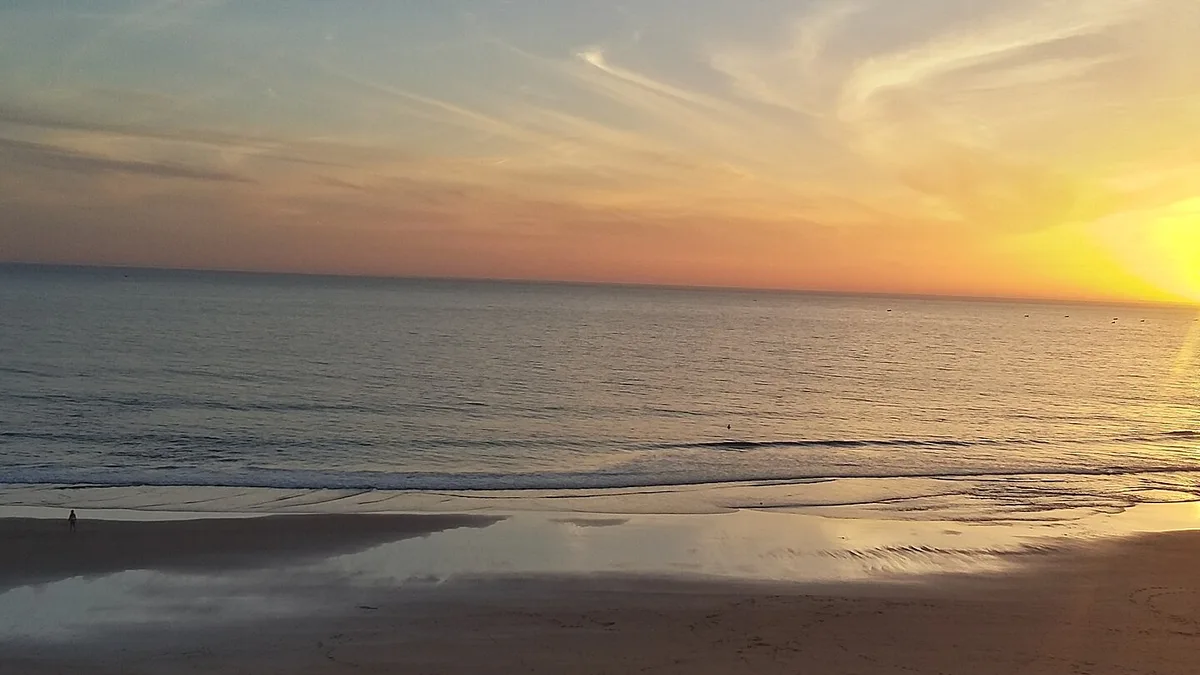
Agadir is a city that spreads out. The beach runs for six kilometres, the airport sits twenty-five kilometres from the seafront, and the places worth coming to the Souss for begin where the organised excursions stop. A car turns a beach resort into a base camp for the Atlantic coast, the Anti-Atlas and the valleys inland.
This guide covers what you need before you take the wheel here: real driving distances, the routes that justify the effort, what a rental desk will ask for, and the local habits that catch out European drivers in their first few days.
What you can reach from Agadir, and how long it takes
Distances around Agadir mislead, because the road changes character every thirty kilometres. These are the realistic figures, without stopping:
- Taghazout: 20 km, 25 minutes on the N1 along the coast.
- Souss-Massa National Park: 60 km to the mouth of the Oued Massa, one hour.
- Taroudant: 80 km on the expressway, one hour ten.
- Tiznit: 91 km on the N1, an hour and a half.
- Immouzzer des Ida Outanane: 56 km, but allow an hour and a half for the bends.
- Sidi Ifni: 165 km, two and a half hours.
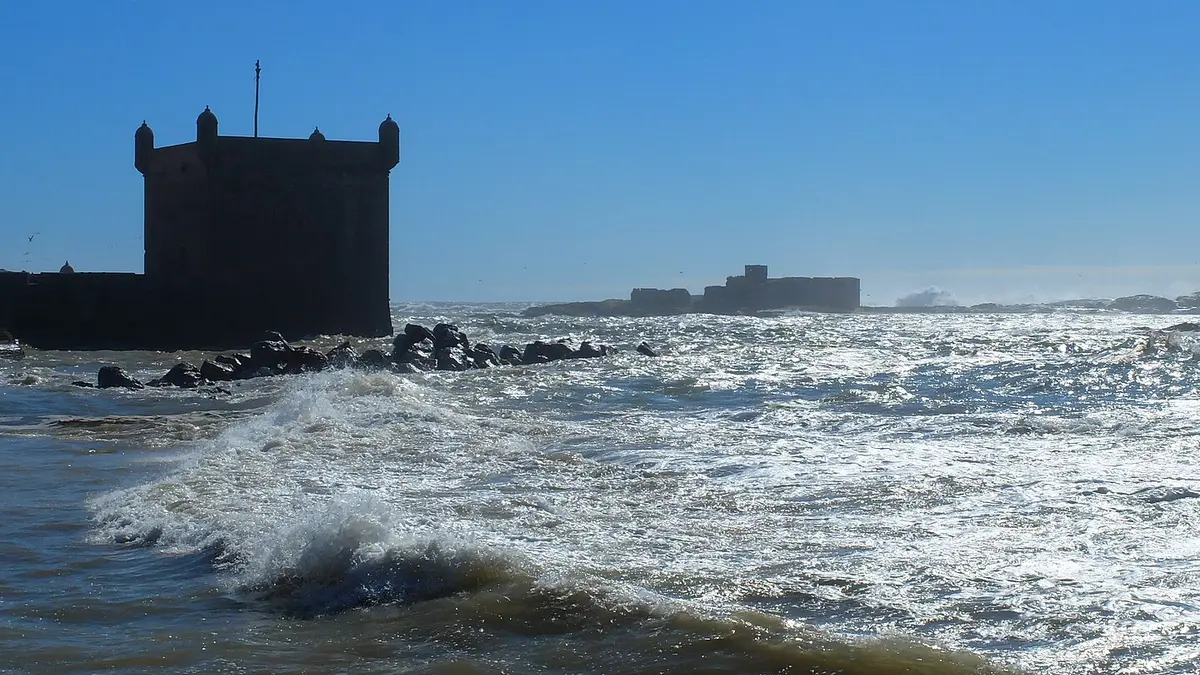
- Essaouira: 173 km, three hours on the coast road.
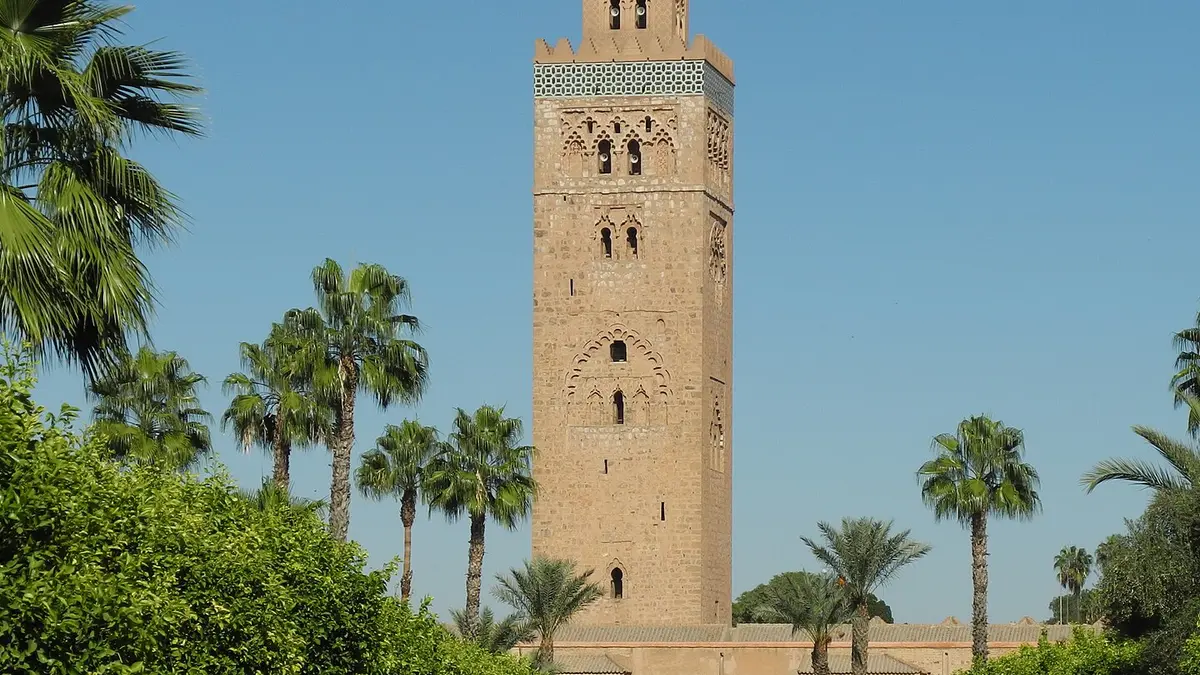
- Marrakech: 250 km, two and a half to three hours by motorway.
One rule holds across the whole region: on the flat of the Souss you make good time, but the moment you climb towards the Anti-Atlas or Immouzzer the average drops to forty kilometres an hour. A map that says "56 km" tells you nothing about the clock.
Picking the car up at the airport or in town
Agadir Al Massira airport is roughly 25 km south-east of the city, on the road towards Taroudant. Taking the car on arrival saves a transfer and lets you drive straight out, which makes sense if your first night is in Taghazout or Taroudant. Whichever you choose, do the walk-around before you leave the car park: photograph all four sides, the wheels and the underside of both bumpers, and have every existing mark written on the form.
Collecting in town has a different advantage: you arrive rested, you inspect the car in daylight, and you are not driving an unfamiliar road after a night flight. If you land late, that is usually the better option.
Paperwork and the security deposit
At the desk you will be asked for the main driver's licence, an identity document or passport, and a bank card in the driver's name for the security deposit. A national European licence is enough for a tourist stay; an international permit is required for some licences issued outside the European Union, and it never replaces the original.
The deposit amount and the excess depend on the model and the insurance option chosen. Both are shown on the vehicle page, so check them before booking rather than at the counter. Two things are worth asking about directly: how many drivers are included, and what happens if you return the car somewhere other than where you collected it.
Which car for which road
Most itineraries in the Souss work in a small hatchback. The N1 to Tiznit, the expressway to Taroudant, the motorway to Marrakech and the coast road to Essaouira are surfaced from end to end. A small car is cheaper to run and far easier to park in the lanes of Taroudant or by the harbour in Essaouira.
The calculation changes as soon as tracks are involved: the Aït Mansour gorges south of Tafraoute, some approaches to Paradise Valley after a flood, the descents to the coast between Mirleft and Sidi Ifni. There, ground clearance decides the outcome, not engine power. A saloon does not help there: it is often as low as a hatchback. What you want is raised ground clearance, which is not the same thing as four-wheel drive.
Fuel, tolls and running costs
Diesel remains cheaper than petrol in Morocco, and most rental cars in this region run on it. Filling stations are plentiful on the N1 and on the Agadir-Taroudant axis, and much rarer once you leave the national roads: between Tafraoute and Aït Baha, or on the Immouzzer road, pumps are scarce. The local rule is simple and it prevents most problems: never start into the mountains below half a tank.
The motorway to Marrakech is tolled. For a standard car, the run from Amskroud to the Marrakech exits falls in a range of roughly 70 to 95 dirhams depending on the exit, as a rough guide only: rates are revised periodically and the exact amount appears at the barrier. Fuel prices move as well, so read the price per litre at the first station rather than trusting a figure from a guidebook.
Driving here: what surprises people first
Agadir was rebuilt after 1960 on a grid, with wide avenues and large roundabouts. Priority on those roundabouts is settled by practice more than by markings: you enter slowly, you look left, and you never accelerate to claim a gap. On the N1, speed checks are frequent and often sit just before town boundaries, where the limit drops sharply.
In the centre and at the port you will meet parking attendants in high-visibility vests. This is an established arrangement: a few dirhams when you leave, and the car is watched while you eat. You pay on the way out, not on arrival, and you will want coins: nobody has change for a large note.
The drives worth making from Agadir
- Agadir to Essaouira: 173 km of coast road, the Tamri cliffs and Cap Rhir.
- Agadir to Marrakech: the motorway, or the old Chichaoua road over the pass.
- Taghazout and Tamraght: twenty kilometres, the surf breaks and the parking problem.
- Paradise Valley and Immouzzer: the pools of the Oued Tamraght and the road that keeps turning.
- Legzira and Sidi Ifni: the surviving sandstone arch and the old Spanish town.
A note on pacing. With a car, the temptation is to chain trips together: Essaouira on Monday, Marrakech on Tuesday, Tafraoute on Wednesday. The roads of the Souss do not reward that. Two long days out and three short ones across a week make a far better trip than six days spent watching the odometer.
Ready to pick a car? The models available in Agadir, with daily rates and conditions, are on the car rental in Agadir page. Compare ground clearance and air conditioning first — those are the two lines that matter most here.
Photo : karel291 via Wikimedia Commons, CC BY 3.0.